
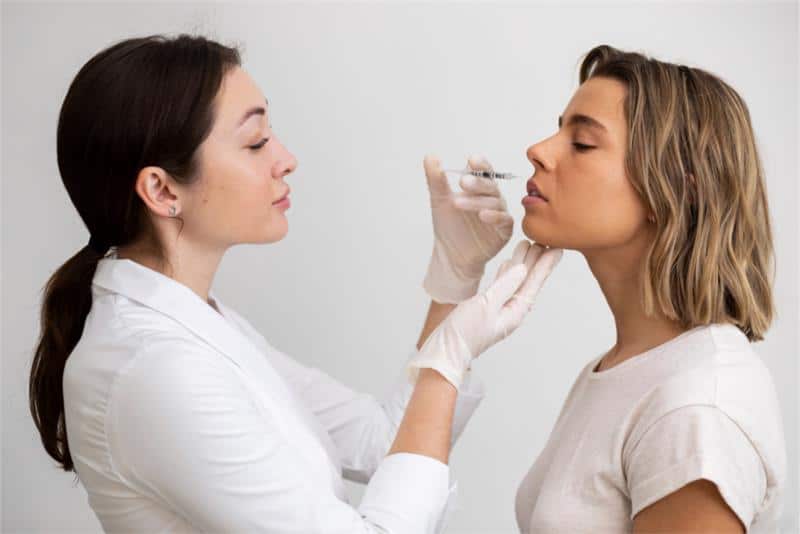
In recent years, dermal fillers in Sheffield have become one of the most popular non-surgical treatments for facial enhancement. As more people explore ways to rejuvenate their appearance without committing to surgery, injectables like lip and cheek fillers are no longer exclusive to celebrities or influencers—they’ve become a routine part of self-care for everyday men and women.
However, if you’re considering fillers for the first time, it’s completely natural to have questions about their safety, what the treatment involves, and what kind of results you can expect. In this guide, we’ll cover everything you need to know to make an informed, confident decision.
What Are Dermal Fillers?
Dermal fillers are gel-like substances injected into specific areas of the face to restore lost facial volume, smooth out wrinkles, and enhance facial contours. The most commonly used fillers contain hyaluronic acid—a naturally occurring substance in the body that helps retain moisture and plumpness in the skin.
Popular treatment areas include:
- Lips – to enhance volume or shape
- Cheeks – to restore contour or lift
- Nasolabial folds – to smooth deep smile lines
- Jawline or chin – to add definition
When carried out by a qualified professional, fillers can achieve subtle and natural-looking results tailored to your facial structure and personal goals.
Explore dermal filler treatment at Elm Skin Clinics.
Are Dermal Fillers Safe?
Safety is a top concern for anyone new to injectables—and rightly so. In the UK, dermal fillers are generally safe when administered by a medically trained and certified aesthetician. Risks are rare and typically mild when performed in a clinical environment.
Here’s what ensures filler safety:
- Reputable brands – Medical-grade fillers used by reputable clinics undergo rigorous testing and regulation
- Sterile equipment – Clinics follow strict hygiene protocols to prevent infection
- Qualified practitioners – A certified aesthetician understands facial anatomy and how to avoid complications
- Tailored doses – Treatments are customised to suit your needs, facial symmetry, and goals
Side effects may include minor swelling, bruising, or redness at the injection site—these usually subside within a few days. Serious complications are rare, especially when treatment is handled with care and precision.
How to Choose a Certified Aesthetician
When considering facial treatments, the experience and qualifications of your practitioner matter just as much as the product being used. Unfortunately, the aesthetics industry in the UK is not as tightly regulated as it could be, which makes it essential to do your research.
A good clinic will:
- Display medical credentials and certifications
- Offer in-person consultations before treatment
- Discuss your medical history and expectations
- Be transparent about costs, risks, and outcomes
You can also check reviews, look at before-and-after photos, and ensure the clinic operates from a clean, clinical environment—not a home or hotel room.
The Consultation: What to Expect
Before any treatment takes place, you’ll attend a thorough consultation. This is your chance to ask questions, raise concerns, and discuss your goals in detail. It also allows the practitioner to assess whether you’re a good candidate for fillers.
Topics often discussed include:
- Areas of concern (e.g., lips, cheeks, jawline)
- Desired results (volume, structure, symmetry)
- Your general health and medication use
- Your previous experiences with aesthetic treatments (if any)
The best practitioners will always recommend conservative treatment first—using the minimal amount of filler to assess how your face responds before building gradually over time.
What Happens During the Procedure?
On the day of your appointment, you’ll be welcomed into a clean treatment room. The process is relatively straightforward:
- Cleansing – Your skin will be sanitised thoroughly
- Numbing (optional) – A numbing cream may be applied to minimise discomfort
- Injection – Small amounts of filler are injected with a fine needle or cannula
- Shaping – The aesthetician may gently massage or mould the area to ensure smooth, even results
- Aftercare advice – You’ll receive guidance on what to avoid for the next 24–48 hours
The treatment itself takes between 15 to 30 minutes, depending on the area. You can typically return to work or social activities immediately after.
Book a consultation or treatment easily through the online booking portal.
Results: What You’ll See and When
One of the biggest advantages of dermal fillers is how quickly they deliver results. While some swelling or bruising may temporarily mask the final look, you’ll usually see visible changes straight away.
Immediate benefits include:
- Fuller, more youthful contours
- Smoother skin and softened lines
- Balanced facial proportions
- Subtle enhancement—not dramatic alteration
Results can last anywhere from 6 to 12 months, depending on the filler type, area treated, and your body’s metabolism. Repeat treatments are typically recommended every 6–9 months to maintain results.
Common Concerns for First-Time Clients
It’s perfectly normal to feel nervous before your first filler appointment. Here are some of the most common worries and the truth behind them:
- “Will it look unnatural?”
When performed correctly, dermal fillers enhance rather than distort. The goal is always to achieve natural-looking results, not an exaggerated appearance.
- “Will it hurt?”
Most clients report only mild discomfort during injection. Numbing agents are often used for sensitive areas like the lips.
- “What if I don’t like the result?”
Hyaluronic acid fillers can be reversed using an enzyme called hyaluronidase, although this is rarely needed.
- “Is there downtime?”
You may experience mild swelling or bruising, but most people return to normal activities the same day.
Post-Treatment Care Tips
To ensure the best results and avoid unnecessary complications, follow your aesthetician’s aftercare advice. Typical tips include:
- Avoid touching or massaging the treated area for 24 hours
- Refrain from intense exercise, saunas, or alcohol for 48 hours
- Keep your head elevated when sleeping for the first night
- Use a cold compress to ease swelling if needed
- Avoid wearing heavy makeup immediately after the procedure
For further guidance on new treatments and aesthetic trends, be sure to check out the latest news and updates from Elm Skin Clinics.
Final Thoughts
Dermal fillers in Sheffield offer a safe, accessible, and effective way to rejuvenate your appearance without surgery. Whether you’re looking to enhance your lips, restore cheek volume, or smooth deeper facial lines, your first filler experience should be guided by trust, safety, and professionalism.
At Elm Skin Clinics, every client receives a tailored consultation and is treated with the highest level of care. From the first conversation to post-treatment support, the focus is on creating natural-looking enhancements you can feel confident about.
Ready to take the next step? Whether you’re just starting out or looking for a clinic you can trust, Elm Skin Clinics is here to help you look and feel your best.