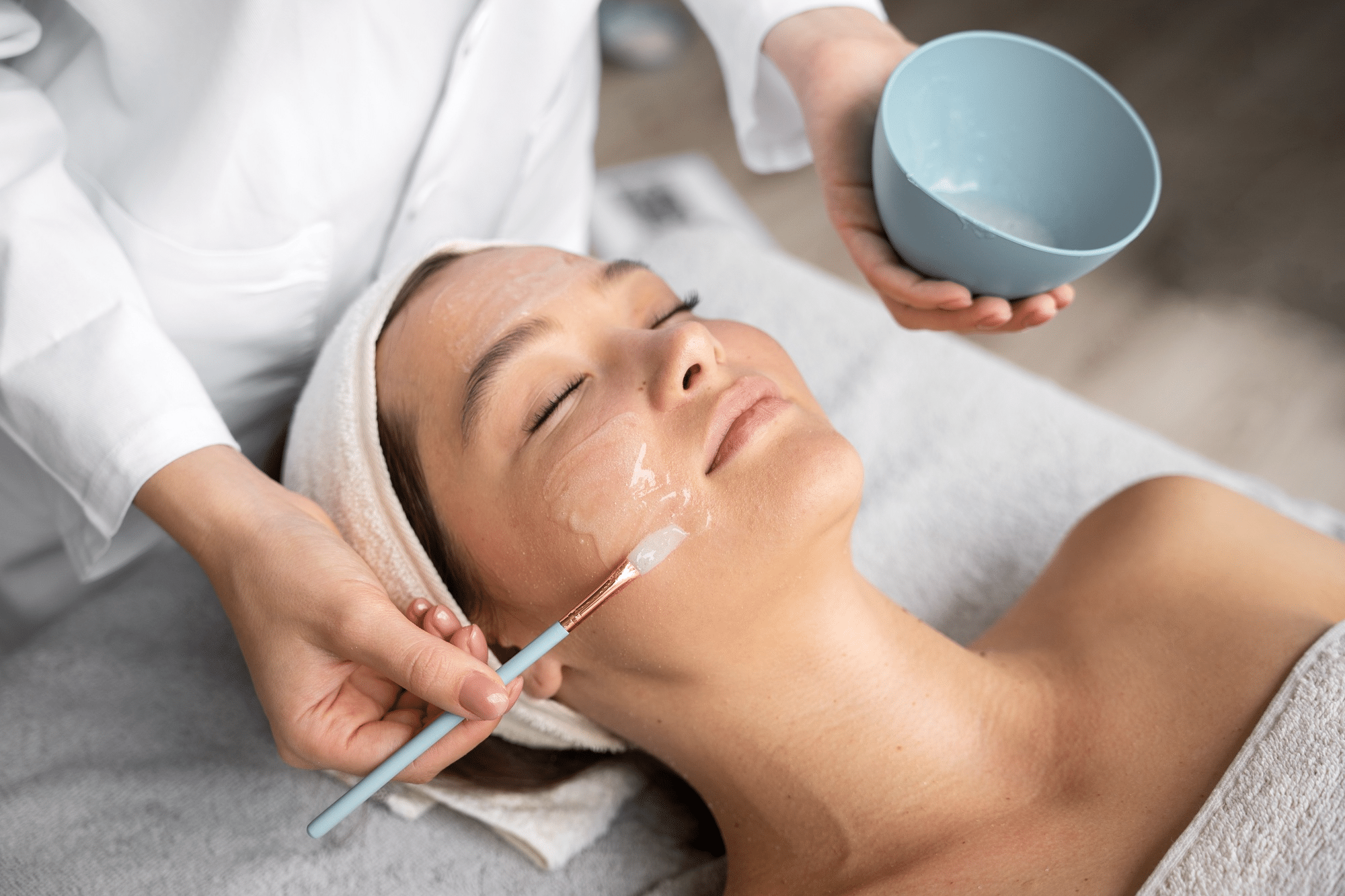
Healthy, glowing skin is something most of us strive for, and one of the most effective ways to improve your complexion is with a chemical peel. In Sheffield, many people dealing with acne-prone skin, dullness or uneven tone are choosing chemical peels as a reliable method to refresh and rejuvenate their appearance. A chemical peel is a professional treatment where a mild acid solution is applied to the skin to exfoliate the top layer, revealing newer and smoother skin underneath.
Because everyone’s skin behaves differently, selecting the right chemical peel for your skin type is vital to achieve safe and visible results. This guide explains the different types of chemical peel Sheffield treatments available, how they work, and which ones are best suited for your individual skin type and concerns.
Understanding Chemical Peels
A chemical peel works by dissolving dead skin cells and promoting cell turnover. The process helps to fade pigmentation, smooth fine lines and even out the skin’s texture. Most professional peels use acids such as glycolic acid (an alpha hydroxy acid), salicylic acid (a beta hydroxy acid) or trichloroacetic acid (TCA). These ingredients are available in different concentrations to suit various skin types and treatment goals.
Chemical peels are typically divided into three categories: superficial, medium and deep. Superficial peels are the gentlest and are ideal for brightening and smoothing the surface. Medium peels work deeper, targeting mild acne scars, pigmentation and early signs of ageing. Deep peels penetrate several layers of skin and are best for more significant sun damage or wrinkles.
If you’d like to explore detailed information about the different types of facial peels available, visit this comprehensive guide to facial peels.
Chemical Peel Sheffield: Finding the Right Match for Your Skin Type
Your skin type plays a major role in deciding which peel will be most effective. The right chemical peel Sheffield specialists recommend depends on whether your skin is oily, dry, combination, sensitive or mature. Let’s take a closer look at how each skin type responds to different peel formulations.
Oily and Acne-Prone Skin
Oily and acne-prone skin often suffers from congestion, blackheads and breakouts. The salicylic peel is particularly effective for this skin type because it can penetrate deep into the pores. Salicylic acid is oil-soluble, allowing it to break down excess sebum and clear away trapped dirt and bacteria that can lead to blemishes.
This type of peel also has natural anti-inflammatory properties, which help to calm redness and reduce the appearance of active spots. Over time, salicylic peels can smooth the texture of acne-prone skin and minimise post-acne scarring. Treatments are generally spaced every four to six weeks for the best long-term results.
For more insights into skincare and current treatment updates, you can read the latest professional articles in the news section here.
Dry and Dehydrated Skin
Dry skin can feel tight, flaky and often appears dull due to slower cell turnover. A glycolic peel is an excellent option for those with this skin type. Derived from sugarcane, glycolic acid is one of the smallest alpha hydroxy acid molecules, which allows it to gently penetrate the skin and lift away dead cells from the surface.
This process not only smooths the skin’s texture but also boosts moisture absorption, making hydrating products more effective. With regular treatments every six to eight weeks, glycolic peels can help restore a healthy glow, soften fine lines and improve uneven tone. After the peel, it’s important to use a good moisturiser and daily sun protection, as newly revealed skin can be more sensitive to the elements.
Sensitive and Reactive Skin
Sensitive skin requires particular care, as it tends to react to stronger treatments. For this reason, a lactic acid peel is often the best choice. Lactic acid, which comes from milk, offers gentle exfoliation while helping the skin retain moisture. It brightens the complexion gradually without causing dryness or irritation.
This type of peel is ideal for people with mild redness or rosacea who wish to improve their skin tone without over-stripping the barrier. A patch test is always recommended before treatment to ensure suitability, and sessions are usually spaced every eight to ten weeks.
Combination Skin
Combination skin can be difficult to manage because it is oily in some areas and dry in others. A customised chemical peel that combines ingredients such as glycolic and salicylic acids often works best. This blend can help balance the skin by targeting excess oil in the T-zone while gently hydrating drier areas.
Regular treatments, usually every six weeks, can refine texture, reduce blemishes and even out the overall complexion. In Sheffield, many skincare clinics provide bespoke peel formulations to suit mixed skin concerns, ensuring each area of the face gets the right level of care.
Mature and Sun-Damaged Skin
With age, the skin’s natural renewal process slows down, leading to fine lines, sun spots and a loss of firmness. A TCA peel, or trichloroacetic acid peel, is commonly used for mature or photoaged skin. This type of peel works at a deeper level to encourage collagen production and improve elasticity.
It also helps fade pigmentation, smooth wrinkles and brighten overall tone. Because of its strength, a TCA peel should only be carried out by an experienced professional, and recovery can take several days to a week. For most people, one or two sessions a year can make a noticeable difference to skin health and vibrancy.
Preparing for Your Chemical Peel
Before undergoing your chemical peel Sheffield treatment, a consultation is essential. Your skincare specialist will assess your skin, discuss your goals and determine the most suitable peel strength and formulation. Proper preparation helps you achieve the best outcome.
You’ll usually be advised to stop using retinoids, strong exfoliants and any harsh treatments about a week before your appointment. Protect your skin from the sun and stay well hydrated. After your peel, mild redness and flaking are normal for a few days. Avoid picking or peeling the skin manually and use gentle, soothing products as recommended by your practitioner.
To arrange a personalised consultation for your chemical peel treatment, visit the contact page for professional advice.
Results and Aftercare
The results of a chemical peel depend on the strength of the solution and your individual skin type. Many people notice smoother and brighter skin within a week of a mild peel, while deeper treatments produce longer-lasting changes. Consistency is key; superficial peels often need to be repeated regularly, whereas medium or deep peels are spaced several months apart.
After your treatment, follow these basic aftercare steps to protect and maintain your results:
- Use a broad-spectrum SPF daily, as new skin is more sensitive to sunlight.
- Keep your skin well-hydrated with a gentle moisturiser.
- Avoid harsh cleansers or exfoliants until the peeling process has finished.
- Follow any aftercare instructions provided by your practitioner.
With proper aftercare, your skin will look fresher, clearer and more even-toned, and the benefits of your peel will last longer.
Choosing the Right Peel in Sheffield
Selecting the right chemical peel Sheffield has available depends on your skin type, goals and how much downtime you can allow for recovery. Always seek a qualified professional who can analyse your skin and choose a treatment that suits your needs.
A well-chosen peel should improve your skin’s clarity and tone without causing excessive dryness or irritation. The best results come from a series of treatments and a consistent home skincare routine, including sun protection and hydration.
Final Thoughts
Finding the right chemical peel Sheffield depends entirely on understanding your skin type and what you want to achieve. Those with acne-prone skin often benefit most from salicylic peels, while people with dry or mature skin tend to respond better to glycolic or TCA peels. Sensitive skin, on the other hand, usually does best with a gentle lactic acid formulation.
Whichever option you choose, the key to great results is professional guidance and consistent aftercare. Chemical peels, when performed correctly, are an excellent way to enhance your complexion, refine texture and maintain long-term skin health.