
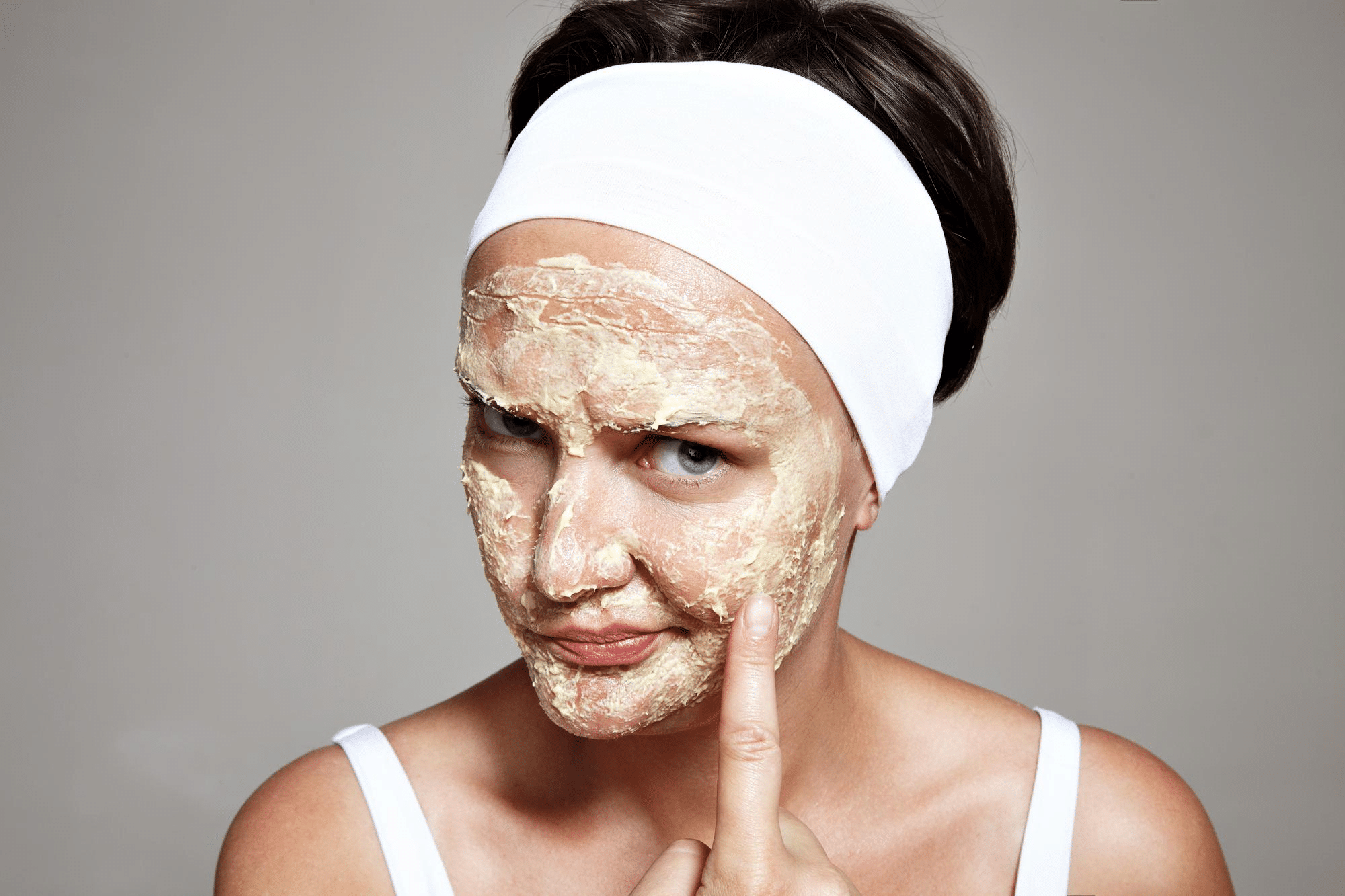
Prolonged sun exposure and environmental stress can leave lasting marks on the skin. Over time, UV rays contribute to sun damage, fine lines, uneven tone and rough texture. Many people in the UK experience these issues, especially after years of outdoor activity without consistent sun protection. Fortunately, face peels have emerged as a reliable and effective method for improving sun-damaged skin and promoting smoother, more radiant complexions.
Face peels are professional treatments designed to exfoliate the outermost layers of the skin. By removing dead cells, stimulating new growth and encouraging collagen production, these treatments can significantly improve the appearance of sun spots, age spots and hyperpigmentation. In Sheffield, people seeking to restore their skin’s natural balance are increasingly turning to face peels Sheffield clinics for solutions tailored to their needs.
This guide explores how face peels work, the recovery process and what results you can realistically expect.
Understanding the Impact of Sun Damage
Before diving into the benefits of face peels, it’s important to understand how the sun affects the skin. Ultraviolet (UV) radiation accelerates the breakdown of collagen and elastin, two proteins responsible for maintaining firmness and elasticity. Over time, this leads to wrinkles, dullness and uneven pigmentation.
Sun exposure also triggers the overproduction of melanin, resulting in sun spots and age spots. These darkened patches, along with rough texture and enlarged pores, are key signs of long-term UV exposure. While topical creams may temporarily brighten the surface, they often fail to address deeper damage within the skin.
This is where face peels can make a lasting difference. By promoting deep exfoliation and renewal, they encourage healthier, more even-toned skin to emerge. To learn more about various professional skincare treatments that help with long-term damage, visit this informational skincare resource.
What Are Face Peels?
Face peels are controlled skin treatments that use carefully balanced acid solutions to remove layers of damaged skin. The process initiates a natural healing response, leading to the production of fresh cells and improved collagen. Unlike harsh scrubs or physical exfoliators, chemical-based face peels offer a more even and predictable form of exfoliation.
There are different types of face peels used for sun-damaged skin and uneven texture, including:
- Superficial peels: Mild and ideal for beginners. They lightly exfoliate the outermost layer to improve dullness and texture.
- Medium peels: Penetrate deeper to address pigmentation, hyperpigmentation and early signs of ageing.
- Deep peels: Target significant sun damage and deeper wrinkles, usually performed under medical supervision.
Each type varies in intensity and recovery time, but all aim to restore healthier, smoother skin through regeneration.
Face Peels Sheffield: How They Help with Sun Damage and Texture
When performed by a trained professional, face peels Sheffield treatments are tailored to individual skin concerns and tolerance levels. The exfoliation process works by removing the damaged surface layers, which allows newer, evenly pigmented cells to form.
Reducing Sun Spots and Age Spots
Sun spots and age spots are caused by uneven melanin production. A properly selected face peel gently lifts these pigmented cells, gradually reducing their visibility. As old cells shed, lighter and clearer skin emerges, giving a more balanced appearance.
Smoothing Uneven Texture
Roughness and uneven texture often result from damaged or thickened outer skin. Through exfoliation, face peels help smooth the surface and refine the pores. The result is a more even feel and a visibly improved texture.
Encouraging Collagen Renewal
Beyond surface-level improvements, face peels also stimulate deeper renewal. This collagen boost helps reduce fine lines, firm the skin and enhance overall luminosity, particularly for those who have experienced years of UV exposure.
The visible transformation after several sessions can be remarkable. While results vary, most people notice a smoother texture, reduced pigmentation and a clearer complexion within weeks. To understand more about safe treatment practices and patient confidentiality, you can read through the privacy guidelines.
The Treatment and Recovery Process
The process of a face peel begins with a consultation, where your skin is assessed for suitability. Once the correct peel strength is chosen, the skin is cleansed and the acid solution is applied for a set duration. You might feel a mild tingling or warmth as the peel activates, which is completely normal.
After the solution is neutralised and removed, your skin may appear slightly red or tight. Over the following days, mild flaking or peeling can occur as old skin sheds. This is part of the renewal process.
What to Expect During Recovery
- Day 1–2: Mild redness or sensitivity.
- Day 3–5: Gentle peeling or dryness as old cells detach.
- Day 6–10: Noticeable improvement in tone and texture as new cells appear.
Throughout recovery, it’s vital to avoid excessive sun exposure and to use a broad-spectrum sunscreen daily. The new skin will be more sensitive, so maintaining protection helps prevent further pigmentation and damage.
Hydration is also crucial. Use a non-irritating moisturiser to support healing, and avoid strong exfoliating products until your practitioner advises.
Long-Term Benefits of Face Peels
Face peels are not just short-term cosmetic treatments; they also support lasting skin health. Regular sessions encourage consistent cell turnover, helping to maintain smoothness and clarity. The new collagen formed after each peel improves firmness and elasticity, resulting in a more youthful appearance.
Long-term benefits of face peels Sheffield treatments include:
- Reduction in sun spots and age spots
- Brighter, more even skin tone
- Softer texture and smaller-looking pores
- Improved collagen and elasticity
- Diminished fine lines and wrinkles
Consistent care and maintenance treatments can help prevent new pigmentation from forming. When combined with sun protection, these treatments can significantly slow down visible ageing caused by UV exposure.
How Face Peels Compare to Other Treatments
While many topical products aim to brighten and renew the skin, face peels work on a deeper level. Unlike surface scrubs or exfoliating masks, chemical peels reach the middle layers of the skin, where long-term sun damage often resides.
Laser treatments and microdermabrasion can also address pigmentation and uneven tone, but face peels often offer a gentler and more affordable route with shorter downtime. They can also be customised to suit different skin types and levels of sensitivity, making them versatile for a range of concerns.
Those in Sheffield often opt for mild to medium face peels during cooler months, as lower UV levels allow for better recovery and reduced risk of re-pigmentation. For additional details on safety and treatment policies, it’s useful to check the treatment terms and guidance page.
Suitable Peels for Sun-Damaged Skin
Different types of acids are used in face peels, each targeting specific concerns related to sun damage and hyperpigmentation:
- Glycolic acid: Helps with dullness, fine lines and general texture by increasing cell turnover.
- Lactic acid: Ideal for more sensitive skin, offering hydration while improving clarity.
- Salicylic acid: Works well for those with uneven texture and blocked pores.
- TCA (Trichloroacetic acid): Used in moderate to deep peels to tackle advanced pigmentation and sun damage.
Your practitioner will recommend the most suitable formula based on your skin condition and goals.
Maintaining Results at Home
After undergoing face peels Sheffield treatments, your home care routine plays a major role in preserving results. Daily sun protection is essential to prevent reoccurring pigmentation and age spots. Use a broad-spectrum SPF of at least 30, even on cloudy days.
Gentle cleansing, hydrating serums and antioxidant-based products also help maintain smooth texture and radiance. Avoid over-exfoliating between sessions, as this can compromise your skin barrier.
Consistency is key. A well-maintained skincare routine combined with professional treatments ensures the skin continues to improve over time, with a clearer, more even appearance.
Common Myths About Face Peels
Myth 1: Face peels are too harsh for sensitive skin.
Modern formulations are much gentler and can be tailored for even the most delicate complexions.
Myth 2: Peeling means damage.
The mild peeling you see is a sign of renewal, not harm. It indicates old cells are shedding and new ones are forming.
Myth 3: One session is enough.
While a single peel can provide visible improvement, multiple sessions deliver deeper and longer-lasting results.
Myth 4: Face peels thin the skin.
In fact, they do the opposite. Regular treatments strengthen and thicken the deeper layers by stimulating collagen.
Final Thoughts
Years of sun exposure can cause uneven tone, roughness and visible pigmentation that simple skincare cannot fully correct. Face peels Sheffield treatments offer a structured and scientifically supported way to reverse much of this damage. Through controlled exfoliation, they reveal fresher, smoother and more balanced skin while stimulating natural renewal beneath the surface.
By addressing sun spots, age spots and hyperpigmentation, face peels help restore the complexion’s vitality. When combined with regular protection, hydration and professional guidance, they can form a key part of a long-term plan for healthy, even-toned skin.
Face peels not only help correct visible imperfections but also encourage resilience against future damage. The journey towards clearer, more youthful skin begins with understanding your unique needs and choosing treatments designed for lasting repair and restoration.