
Introduction
Acne scars and pigmentation are common concerns that can affect confidence long after active breakouts have cleared. While topical creams and chemical peels may help to some degree, many clients in Sheffield are now turning to microneedling for more effective results. This treatment, sometimes referred to as collagen induction therapy, stimulates the skin’s natural healing processes and has shown promising long-term benefits for scarring and uneven tone.
For individuals seeking professional treatment of microneedling acne scars Sheffield, it is important to understand how the procedure works, what results to expect, and how it compares with other skin resurfacing options. For detailed guidance and available treatment plans, you can explore trusted microneedling services in Sheffield.
How Microneedling Works
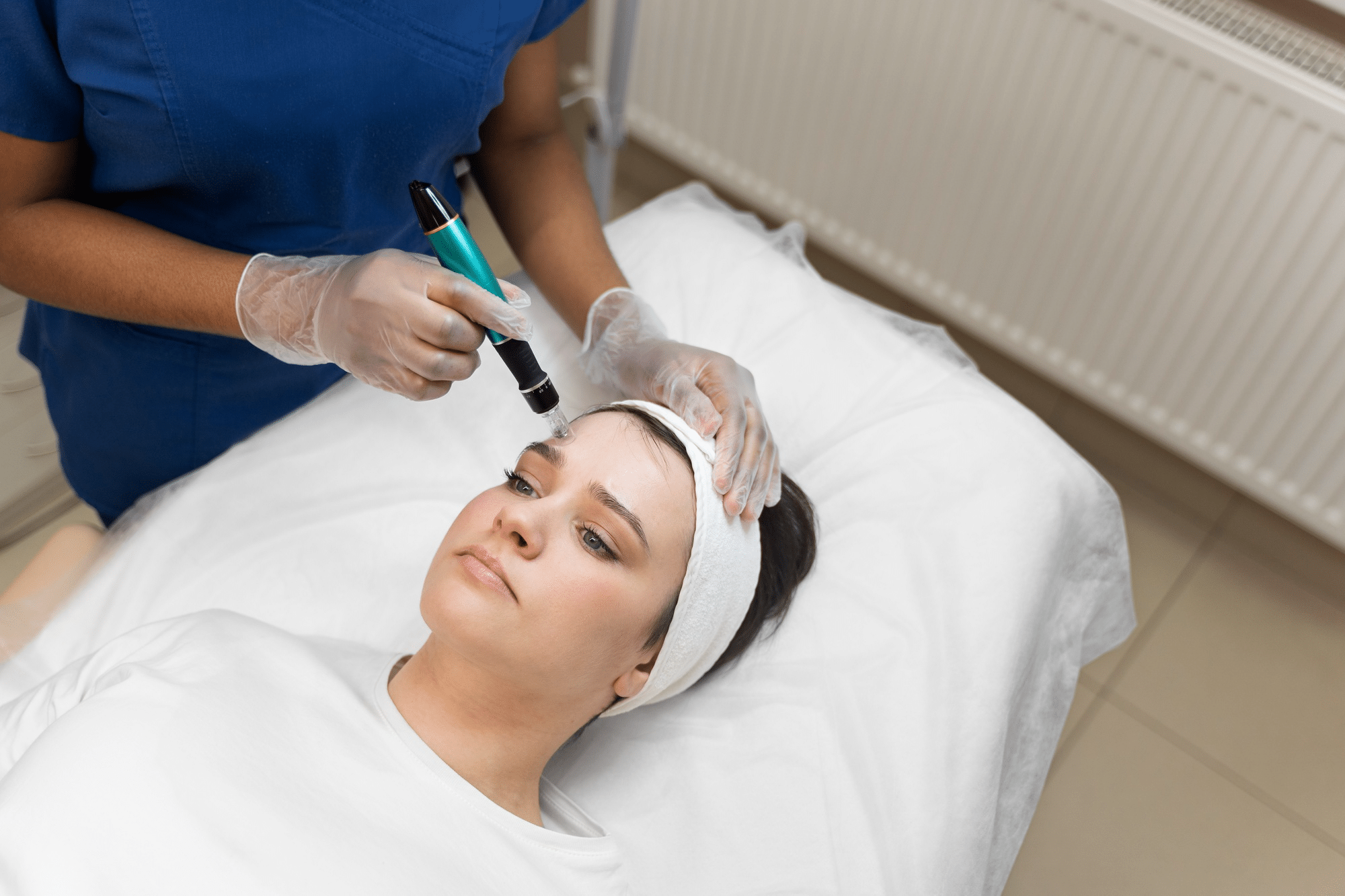
Microneedling involves using fine needles to create tiny punctures in the skin. These micro-injuries stimulate collagen and elastin production, helping the skin to repair itself. Over time, this natural healing process reduces the appearance of acne scars and improves skin texture.
A popular method of microneedling is through the use of a dermapen device. Unlike traditional rollers, the dermapen uses precise needle depths and creates controlled punctures, making it suitable for targeting specific concerns such as atrophic acne scars or stubborn pigmentation patches.
Benefits of Microneedling for Acne Scars and Pigmentation
Collagen Induction and Skin Resurfacing
The key benefit of microneedling is collagen induction. Collagen is essential for skin strength and structure, but levels decline with age or after repeated inflammation caused by acne. By encouraging new collagen, microneedling helps to resurface skin gradually and naturally.
Long-Term Results
Unlike temporary solutions that mask imperfections, microneedling aims to create lasting changes in the skin. Clients who undergo a series of treatments often see progressive improvement in the appearance of scars and discolouration. When combined with professional aftercare, the benefits can continue for months or even years.
Treatment Versatility
Microneedling is suitable for different types of scarring, including ice pick, boxcar, and rolling scars. It can also address pigmentation issues such as post-inflammatory hyperpigmentation, making it a versatile option for those with multiple concerns.
For reassurance and insights, it can be helpful to read patient experiences and reviews from individuals who have chosen microneedling as part of their skin journey.
Comparing Microneedling with Other Treatments
Microneedling is often compared with chemical peels, laser resurfacing, and dermabrasion. Each method has benefits, but microneedling stands out for its balance of effectiveness, downtime, and safety across a wide range of skin types.
Treatment | Main Benefit | Downtime | Suitability |
Microneedling | Stimulates natural collagen, improves scars and pigmentation | Low to moderate | Safe for most skin tones |
Chemical Peel | Exfoliates and reduces surface pigmentation | Varies with peel strength | May not suit sensitive skin |
Laser Resurfacing | Targets deeper scars and pigmentation | Higher downtime | Limited suitability for darker skin tones |
Dermabrasion | Removes surface layers of skin | Moderate to high | Best for lighter skin tones |
This comparison shows that while laser resurfacing may deliver faster results in some cases, microneedling offers a safer and more gradual approach, particularly in diverse skin types.
Treatment Expectations and Timelines
One session of microneedling can create noticeable improvement, but a course of three to six treatments is often recommended for acne scars and pigmentation. Sessions are usually spaced four to six weeks apart to allow the skin time to heal and regenerate.
Clients should expect mild redness and sensitivity after each session, similar to light sunburn. This typically resolves within a few days, making it a manageable option for those with busy schedules. Results continue to build gradually, with smoother texture and more even skin tone visible after several months.
Safety and Professional Care
While at-home rollers are available, professional microneedling is strongly recommended for treating acne scars. Clinic-grade devices such as the dermapen ensure depth precision, hygiene, and customisation to individual skin needs.
Working with trained practitioners also reduces the risk of complications, such as infection or uneven results. Professional aftercare advice further supports long-term improvement by protecting new skin during recovery.
For consultation and tailored treatment plans, clients can reach out to specialist skin clinics in Sheffield.
Conclusion
Microneedling has become an effective solution for clients seeking long-term improvement in acne scars and pigmentation. By using controlled micro-injuries to stimulate collagen production, it offers a natural yet powerful form of skin resurfacing.
For those considering microneedling acne scars Sheffield, the treatment can provide smoother texture, reduced scarring, and a more balanced complexion. With professional guidance and consistent care, microneedling is proving to be one of the most reliable treatments for post-acne skin concerns.